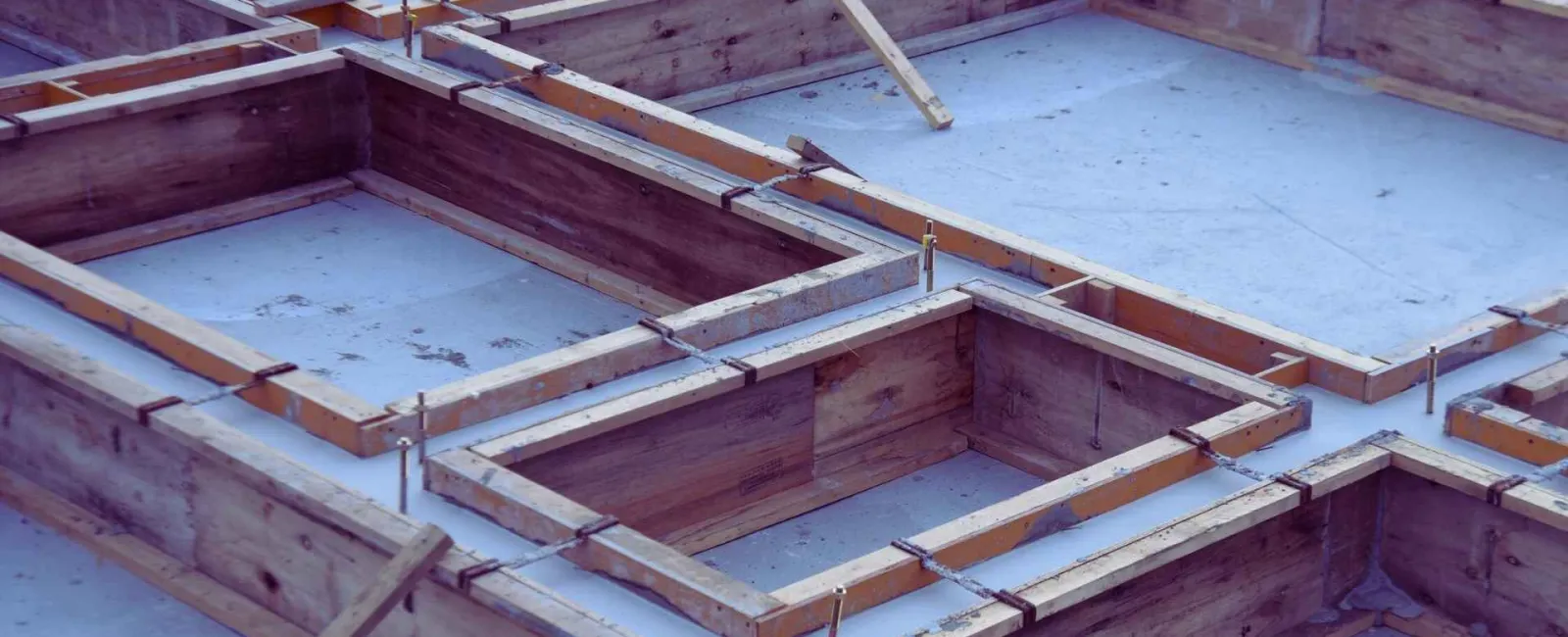
Your foundation does more than support your building; it transfers the entire structural load into the underlying soil, resists lateral earth pressures, and provides a stable base that keeps your structure level and secure for decades. When foundation problems develop, they rarely stay isolated. Cracks propagate, doors stick, floors slope, and what starts as a hairline fracture can eventually compromise structural integrity.
At NOVA, our geotechnical engineering team has evaluated thousands of foundations across Georgia, the Carolinas, and Florida since 1996. This guide explains when foundation inspections are necessary, what qualified engineers evaluate, and how understanding your foundation's condition protects both your safety and your investment.
What Is a Foundation Inspection?
A foundation inspection is a professional evaluation of your building's foundation system to assess its current condition, identify damage or deterioration, and determine whether the foundation is performing as designed. Unlike a general home inspection that covers many building systems superficially, a foundation inspection focuses specifically on structural performance and soil-structure interaction.
Professional foundation inspections are conducted by structural engineers or geotechnical engineers who understand how foundations transfer loads to soil and how various soil conditions affect foundation performance. This expertise matters because foundation problems often originate underground, in the soil behavior that you can't see without proper training and investigation methods.
A thorough foundation inspection examines visible structural elements, identifies symptoms of foundation distress, evaluates soil conditions when possible, and provides professional opinions about the foundation's condition and any recommended actions. The goal is to provide property owners with clear, technically sound information to help them make informed decisions.
Warning Signs You Need a Foundation Inspection
Foundations rarely fail without warning. Most foundation problems develop gradually, producing visible symptoms that indicate underlying issues. Recognizing these warning signs early and acting on them can prevent minor problems from becoming major structural failures.
Cracks in Walls, Floors, and Ceilings
Not all cracks indicate foundation problems, but certain crack patterns warrant professional evaluation. Diagonal cracks extending from window or door corners often indicate differential settlement. Horizontal cracks in basement walls may signal lateral soil pressure. Stair-step cracks in brick or block walls often indicate foundation movement. Cracks wider than 1/4 inch, cracks that are growing, or cracks accompanied by displacement require prompt attention from a qualified geotechnical engineer.
Doors and Windows That Stick or Won't Close
When foundations move, the building frame distorts. This distortion often manifests first at doors and windows, which require precise alignment to operate properly. If multiple doors or windows suddenly become difficult to open or close, particularly if they previously operated smoothly, foundation movement may be causing the building frame to shift.
Uneven or Sloping Floors
Floors that slope noticeably, feel bouncy, or have developed humps or dips may indicate foundation settlement or structural problems with floor framing. While some floor irregularity is normal in older buildings, progressive changes or slopes exceeding 1 inch over 20 feet warrant investigation.
Gaps Between Walls and Ceilings or Floors
Separation between building components that should be joined, walls pulling away from ceilings, gaps opening at floor-wall junctions, or chimneys separating from the main structure, often indicates foundation movement causing differential displacement throughout the building.
Basement Water Intrusion or Moisture
Water in basements can indicate foundation cracks allowing water entry, hydrostatic pressure from high groundwater, or drainage problems directing water toward the foundation. Beyond the immediate moisture damage, persistent water intrusion can undermine foundation soils and accelerate structural deterioration.
Exterior Foundation Damage
Visible cracks, crumbling concrete, exposed rebar, or spalling on exterior foundation walls indicate deterioration that compromises both structural capacity and weather resistance. Soil pulling away from foundation walls or visible foundation displacement also warrants immediate professional evaluation.
When to Schedule a Foundation Inspection
Beyond responding to visible warning signs, several situations call for proactive foundation inspections:
- Before Purchasing Property: A pre-purchase foundation inspection provides critical information about one of the most expensive components of a building to repair. Foundation problems can cost tens of thousands of dollars to address, making a professional evaluation essential before committing to a purchase. Our geotechnical engineering services help buyers understand exactly what they're acquiring.
- After Significant Weather Events: Floods, droughts, earthquakes, and hurricanes can all affect foundations. Flooding can erode supporting soils or introduce hydrostatic pressures. An extended drought can cause clay soils to shrink, removing support. Storm damage may not be immediately visible, but it can compromise foundation integrity.
- Before Major Renovations: Adding a second story, removing load-bearing walls, or significantly changing the building's load requirements requires assessing whether the existing foundation can handle the modified demands. Professional evaluation prevents costly surprises during construction.
- When Selling Property: Pre-listing foundation inspections help sellers understand their property's condition, address any issues proactively, and provide documentation that builds buyer confidence.
- For Aging Structures: Buildings over 25 years old benefit from periodic foundation evaluation, particularly if they've never been professionally inspected or if soil conditions in the area are known to be problematic.
Foundation Types and Their Unique Inspection Considerations
Different foundation types have different failure modes and inspection requirements. Understanding your foundation type helps you know what problems to watch for.
Slab Foundation Inspection
Slab-on-grade foundations are common in the Southeast, particularly in areas with shallow bedrock or high water tables. Slab foundation inspection focuses on surface cracking patterns, slab levelness, and perimeter conditions. Because the slab serves as both foundation and floor, any movement directly affects interior finishes. Plumbing embedded in or beneath the slab also requires evaluation, as leaks can erode supporting soils and cause localized settlement.
Crawl Space Foundation Inspection
Crawl space foundations allow access to inspect floor framing, foundation walls, and piers from below. Inspection evaluates foundation wall condition, pier alignment and bearing, floor joist condition and support, moisture conditions, and ventilation adequacy. Crawl spaces in the humid Southeast are particularly prone to moisture problems that can affect both foundation materials and wood framing.
Basement Foundation Inspection
Basement foundations are subject to lateral earth pressures that can cause wall bowing or displacement over time. The inspection focuses on wall alignment, cracking patterns (particularly horizontal cracks indicating lateral pressure), evidence of water intrusion, and floor slab condition. Basement inspections also evaluate drainage systems designed to manage groundwater.
Pier and Beam Foundation Inspection
Pier-and-beam foundations support the structure on discrete piers or columns rather than on continuous footings. The inspection evaluates pier condition, alignment, and bearing capacity; beam condition and connections; and the adequacy of the support system for the loads it carries. The settlement of individual piers can create localized floor problems.
Foundation Inspection Checklist
While professional inspection provides the most reliable evaluation, property owners benefit from understanding what engineers assess. Key inspection elements include:
- Foundation Walls: Cracking (noting pattern, width, and orientation), bowing or tilting, deterioration of concrete or masonry, water staining, efflorescence (white mineral deposits indicating water movement), and exposed reinforcement.
- Floor Systems: Levelness, cracking, evidence of previous repairs, and condition of slab-on-grade or framed floor systems.
- Building Superstructure: Crack patterns in walls and ceilings, door and window operation, gaps or separations between building elements, and any visible structural distress.
- Drainage and Grading: Ground slope direction relative to foundation, gutter, and downspout discharge locations, and evidence of water ponding near the foundation.
- Crawl Space or Basement Conditions: Moisture levels, ventilation, wood framing condition (for crawl spaces), and any evidence of pest damage or deterioration.
- Exterior Conditions: Vegetation proximity to foundation, condition of adjacent paving, and any site features that might affect foundation performance.
Why Geotechnical Expertise Matters for Foundation Inspection
Foundation problems are fundamentally soil problems. The foundation is simply the structural element that transfers building loads to the ground, and when the ground doesn't behave as expected, foundations suffer.
This is why geotechnical engineers bring unique value to foundation inspection. We understand soil mechanics, how different soil types respond to loading and moisture changes, and how soil-structure interaction affects foundation performance. This expertise proves particularly valuable in the Southeast, where challenging soil conditions are common.
A foundation inspection that doesn't consider these soil factors may identify symptoms without understanding causes, leading to repairs that address visible damage without solving underlying problems. NOVA's geotechnical engineering team evaluates both the structure and the ground supporting it.
After the Inspection: Understanding Your Options
Foundation inspection reports typically conclude with findings and recommendations. Understanding common outcomes helps property owners plan appropriately.
- No Significant Concerns: The foundation is performing adequately with no evidence of active problems. Routine monitoring and maintenance are appropriate.
- Monitor and Reevaluate: Minor cracking or slight settlement that doesn't currently require repair but should be watched for progression. This may include installing crack monitors or scheduling follow-up inspections.
- Repair Recommended: Damage or deterioration that should be addressed to prevent progression or restore structural adequacy. Repair recommendations should include scope, timing considerations, and whether further investigation is needed to finalize repair design.
- Further Investigation Required: Visible symptoms suggest possible problems, but determining the cause and appropriate response requires additional investigation, such as subsurface exploration, structural analysis, or specialty testing.
- Immediate Action Needed: Conditions present safety concerns requiring prompt attention. This is uncommon but requires immediate response when identified.
Frequently Asked Questions
Who should perform a foundation inspection?
For the most reliable evaluation, engage a licensed structural engineer or geotechnical engineer with foundation experience. While general home inspectors may note visible foundation concerns, engineers provide the technical expertise to properly diagnose problems and recommend solutions. When soil conditions may be contributing to foundation distress, a geotechnical engineer's expertise in soil behavior is particularly valuable.
How long does a foundation inspection take?
A typical residential foundation inspection takes 2 to 4 hours for fieldwork, depending on building size and accessibility. Commercial buildings or complex situations may require more time. The written report typically follows within several business days.
What's the difference between a foundation inspection and a structural inspection?
The terms are often used interchangeably, but a structural inspection may encompass the entire building structure, including framing, roof structure, and load paths, while a foundation inspection focuses specifically on the foundation system and related soil conditions. For foundation concerns, either term typically results in an appropriate evaluation when performed by qualified engineers.
Protect Your Foundation with Expert Evaluation
Your foundation represents a critical structural investment that directly affects your building's safety, function, and value. Whether you're concerned about warning signs, planning a property purchase, or simply want to understand your foundation's condition, professional inspection provides the clarity you need.
Since 1996, NOVA Engineering and Environmental has provided geotechnical engineering services throughout the Southeast. Our licensed professional engineers bring deep expertise in soil behavior and foundation performance to every inspection, combining structural evaluation with geotechnical insight that general inspectors simply cannot provide. When your foundation's condition matters, trust the engineers who understand both the structure and the ground beneath it.