Geotechnical Engineering Services
Site Investigations, Foundation Design, and Construction Materials Testing
NOVA provides geotechnical engineering services for commercial, institutional, and industrial projects across the Southeast. Our engineers and accredited laboratories investigate a site and translate that data into safe, economical foundation and earthwork designs.
Get Started Today
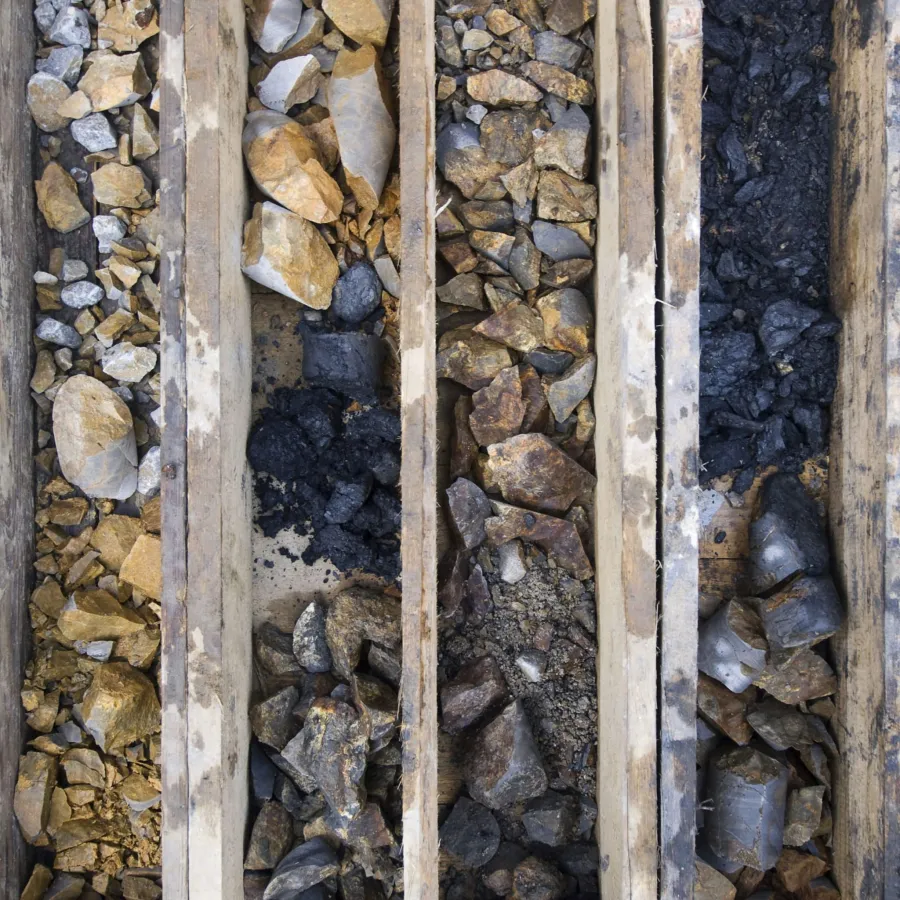
Geotechnical Site Investigations and Soil Borings
Excellence, Collaboration, Integrity, Responsiveness, and Safety
We help clients avoid costly surprises by evaluating subsurface conditions in detail and translating that information into clear engineering guidance. Our geotechnical engineering services include preliminary and final explorations, site-specific seismic review, site characterization studies, hazard analysis, foundation design recommendations, slope stability assessments, and comprehensive site evaluations.
Every exploration we plan is shaped by the local geology, environmental factors, and the property's intended use. Since 1996, we have provided trusted geotechnical engineering support that helps deliver economical site development and dependable foundation design.
Why Industry Leaders Choose
NOVA for Geotechnical Engineering
-
Subsurface Exploration - Preliminary and final explorations analyzing geological conditions for cost-effective site development and construction planning
-
Site Characterization - Comprehensive site characterization studies and geological hazard assessments evaluating subsurface conditions and seismic factors
-
Foundation Engineering - Foundation specification development and earthwork analysis providing structural design recommendations and construction guidance
-
Slope Stability Analysis - Slope stability and embankment analysis ensuring safe site grading, excavation support, and earth retention system design needs
-
Geotechnical Testing - AASHTO accredited laboratory testing for soils, aggregate, concrete, and hot-mix asphalt meeting ASTM quality standards requirements
-
Plan Review Services - Geotechnical plan review and inspections verifying compliance with design specifications and construction quality assurance standards
Geotechnical Engineering
for Every Project Phase
Professional, Practical, and Proven Solutions
Ground Improvement and Soil Stabilization
Services include:
- Preliminary geotechnical explorations and feasibility studies
- Final geotechnical explorations for design development
- Subsurface exploration programs and soil boring
- Site characterization studies and soil profiling
- Geological conditions assessment and mapping
- Groundwater evaluation and monitoring
- Rock coring and bedrock investigation
- Environmental factors evaluation
- Geophysical surveys and testing
- Site-specific seismic assessment
- Geological hazard assessment and evaluation
Slope Stability Analysis and Earthwork Design
After conducting exploration and evaluation, NOVA's geotechnical engineers provide comprehensive analysis and design recommendations to ensure reduced delays and cost-effectiveness for site development and foundation construction. Our geotechnical engineering services include foundation design recommendations, earthwork specifications, slope stability analysis, settlement predictions, and site preparation guidance. We evaluate bearing capacity, anticipated settlements, lateral earth pressures, and construction methodologies to support safe and economical foundation systems.
Key services:
- Foundation engineering and bearing capacity analysis
- Shallow foundation design recommendations (spread footings, mat foundations)
- Deep foundation analysis (piles, drilled shafts, caissons)
- Settlement analysis and predictions
- Earthwork specifications and compaction requirements
- Site preparation recommendations and grading specifications
- Slope stability analysis and stabilization design
- Embankment design and analysis
- Retaining wall design parameters and lateral earth pressure
- Pavement design recommendations and subgrade evaluation
- Groundwater control and dewatering recommendations
- Construction monitoring and quality assurance specifications
- Excavation support and shoring design parameters
- Seismic design parameters and liquefaction assessment
Materials Testing and Inspection
NOVA's geotechnical laboratories provide comprehensive testing services meeting ASTM standards and accreditation requirements. Our laboratories meet ASTM E-329, D-3666, and C-1077 requirements, with most labs AASHTO, A2LA, or CMEC accredited for soils, hot-mix asphalt, concrete, and aggregate testing. We participate in AMRL Sample Reference Proficiency Programs administered by AASHTO and CCRL, ensuring our laboratories conform to quality system requirements and maintain technical competencies for geotechnical testing. Our geotechnical testing and quality assurance services support construction projects through field and laboratory testing programs.
Laboratory services:
- Soil classification and index property testing
- Moisture-density relationships and compaction testing
- Strength testing (unconfined compression, triaxial, direct shear)
- Consolidation testing and settlement analysis
- Permeability testing and hydraulic conductivity
- Atterberg limits and plasticity testing
- Grain size analysis and sieve testing
- Proctor testing (standard and modified)
- California Bearing Ratio (CBR) testing
- Aggregate testing and evaluation
- Concrete testing and quality control
- Hot-mix asphalt testing and analysis
Building Sustainable Projects Nationwide
Professional. Practical. Proven.
NOVA's geotechnical engineering services provide comprehensive subsurface exploration, foundation design recommendations, and quality assurance testing for infrastructure projects nationwide.
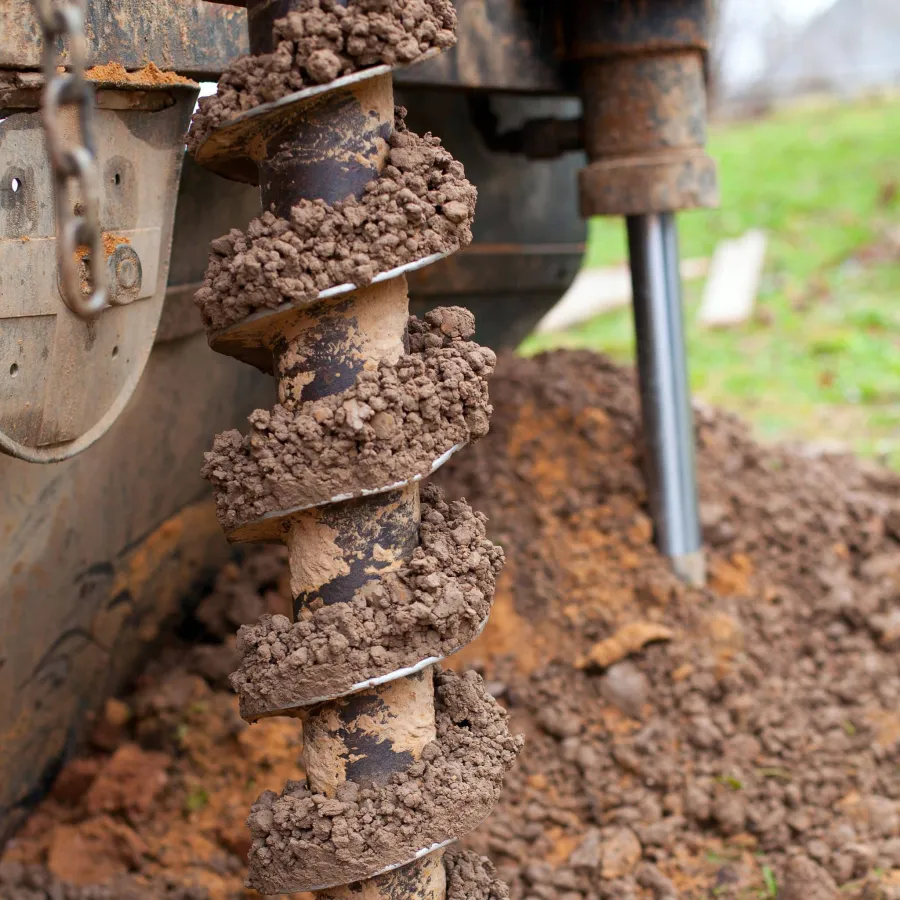
Why Choose NOVA as
Your Geotechnical Engineering Firm
Engineering Excellence Since 1996
For nearly three decades, NOVA has provided professional, practical, and proven geotechnical engineering solutions for clients who own, finance, plan, build, rehabilitate, and maintain infrastructure. Our geotechnical engineers use extensive expertise to analyze geological conditions, provide foundation design recommendations, and ensure cost-effective site development.
Geotechnical Engineering FAQs
What is geotechnical engineering?
Geotechnical engineering is a civil engineering discipline that analyzes soil, rock, and groundwater conditions to provide foundation design recommendations and site development guidance. Geotechnical engineers conduct subsurface exploration through soil borings and testing, evaluate geological conditions and hazards, analyze bearing capacity and settlement characteristics, and develop specifications for foundations, earthwork, and site preparation.
Why do I need geotechnical engineering services?
Geotechnical engineering services reduce construction delays caused by unforeseen subsurface conditions and provide essential data for foundation design and site development. Geotechnical engineers identify soil strength characteristics, groundwater conditions, settlement potential, slope stability concerns, and geological hazards before construction begins. Professional geotechnical investigation protects your investment by ensuring foundations are properly designed for actual site conditions, preventing costly construction problems, and meeting building code requirements for subsurface investigation.
What does a geotechnical investigation include?
A geotechnical investigation includes subsurface exploration through soil borings or test pits, laboratory testing of soil samples, groundwater evaluation, engineering analysis, and comprehensive reporting with design recommendations. Geotechnical engineers conduct preliminary explorations during feasibility studies and final explorations supporting detailed design. Services include site characterization, geological conditions assessment, foundation design recommendations, earthwork specifications, slope stability analysis, settlement predictions, and construction phase observation. The investigation scope depends on project type, site conditions, and design requirements.
How long does a geotechnical investigation take?
Geotechnical investigation timelines vary based on project size, site conditions, and testing requirements. Simple projects may require 1-2 weeks from fieldwork through report delivery, while complex sites or large developments may require 3-6 weeks. Preliminary explorations typically proceed faster than final investigations requiring extensive laboratory testing and analysis. Field exploration usually completes within days, with laboratory testing and engineering analysis requiring additional time. NOVA's responsive approach accommodates project schedules while maintaining technical quality and thoroughness.
What are AASHTO accredited laboratories?
AASHTO-accredited laboratories meet the American Association of State Highway and Transportation Officials' quality standards for construction materials testing. Accreditation verifies that laboratories maintain proper equipment, qualified personnel, quality control procedures, and technical competencies for geotechnical and construction materials testing. NOVA's laboratories hold AASHTO, A2LA, or CMEC accreditation for soils, hot-mix asphalt, concrete, and aggregate testing.
What is the difference between preliminary and final geotechnical explorations?
Preliminary geotechnical explorations provide initial subsurface information supporting feasibility studies, site selection, and preliminary design. These explorations establish general soil profiles, identify major constraints, and estimate foundation alternatives. Final geotechnical explorations provide detailed subsurface data supporting final design and construction specifications. Final explorations include more extensive borings, comprehensive laboratory testing, detailed engineering analysis, and specific design recommendations for foundations, earthwork, and site development. Both exploration phases reduce construction risks by identifying subsurface conditions before construction begins.