Geotechnical Engineering Services in Raleigh, NC
Serving the Research Triangle's Development with Licensed Engineering
Get Started Today
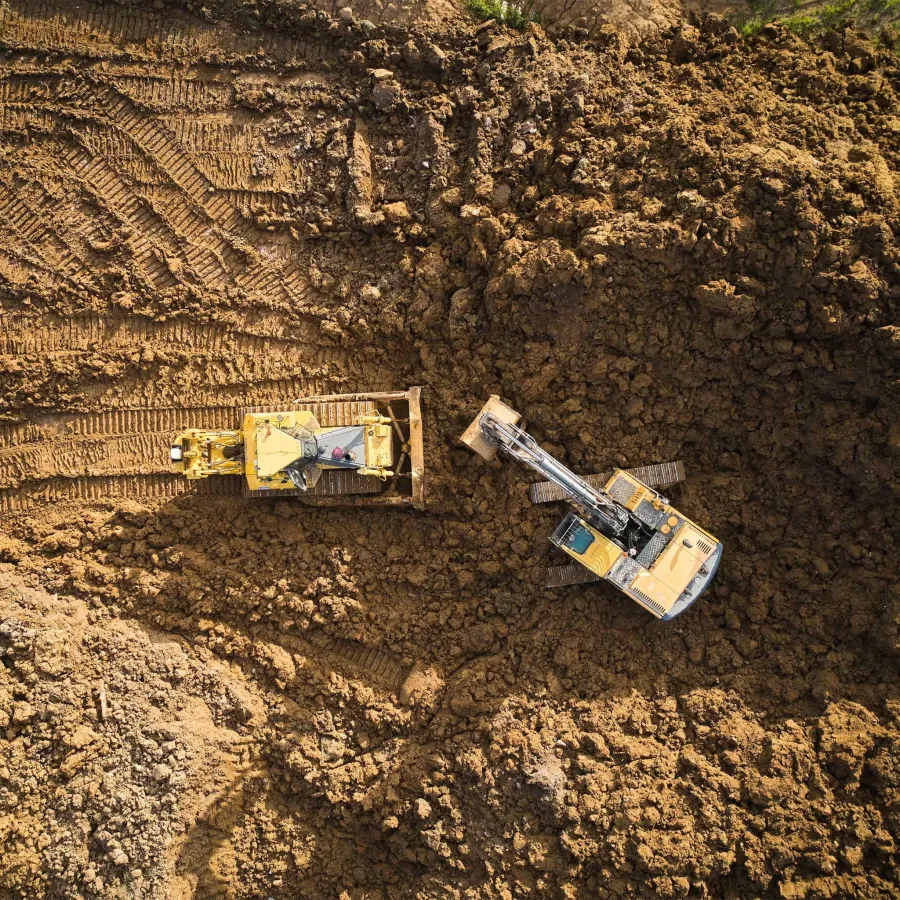
Understanding the Importance of Geotechnical Engineering
In Raleigh, understanding these properties is critical because the region is underlain by the Raleigh Belt, a zone of high-grade metamorphic rocks, including biotite gneiss, muscovite-biotite schist, and sillimanite-mica schist that have weathered deeply over millions of years. These crystalline rocks have produced the characteristic residual soil profile of the Piedmont: clay-rich surface soils transitioning through sandy silts and silty sands into saprolite, and eventually to hard bedrock at highly variable depths.
Neglecting proper geotechnical analysis can lead to costly and potentially dangerous issues, including foundation settlement, structural damage, and long-term instability. We believe in proactive solutions, preventing problems before they arise by providing thorough site investigations and analysis.
Why Industry Leaders Choose NOVA

Expert Subsurface Investigation
Proven Foundation Design
Construction Phase Support
The Principles of Geotechnical Engineering
Our approach at NOVA is rooted in the core principles of geotechnical engineering. We carefully analyze soil and rock mechanics, groundwater conditions, and site-specific challenges to inform our recommendations. This involves:
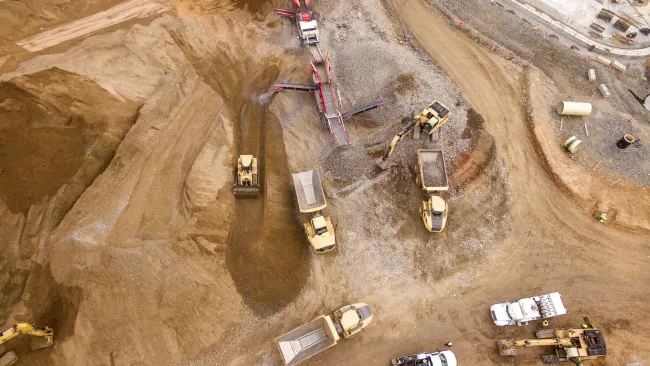

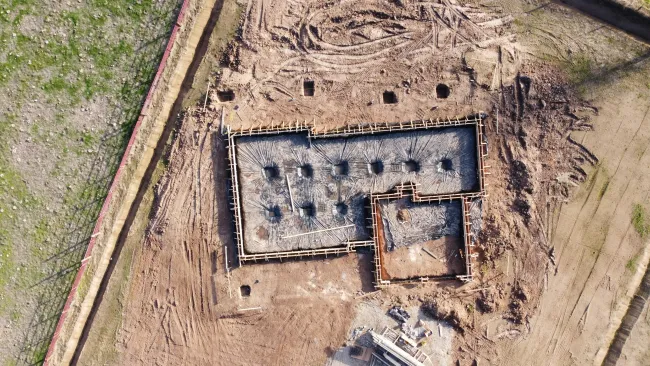

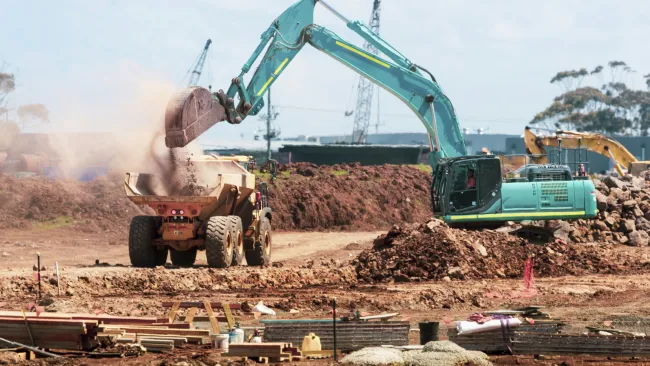
Our Complete Suite of Services
NOVA's Raleigh, North Carolina geotechnical engineering firm will leave no stone unturned when it comes to investigating the ground you wish to build upon, providing you with the following services to meet your project's unique needs:
- Preliminary and final subsurface explorations
- Foundation, earthwork, and settlement analysis
- Geological hazard assessments
- Site characterization studies
- Groundwater evaluation and dewatering recommendations
- Seismic assessments
- Pavement design
- Shallow, intermediate, and deep foundation system evaluation
- Retaining wall, shoring/bracing analyses
- Slope stability and embankment analysis
- Floor slab recommendations
Accredited Laboratory Analysis
Built on Trust, Expertise & Proven Results
NOVA Engineering strives to exceed expectations. Let us become your trusted partner for all your geotechnical needs.

Geotechnical Engineering Challenges and Solutions
The deeply weathered Piedmont profile, variable bedrock depths, and moisture-sensitive residual soils create conditions that require specialized expertise. We've addressed these challenges across projects throughout the Research Triangle and Wake County.
- Navigating variable bedrock depth with thorough subsurface investigations that characterize the transition from residual soil through saprolite to competent rock, enabling accurate foundation design and avoiding costly surprises during construction.
- Managing moisture-sensitive red clay soils with comprehensive testing that identifies elastic silts and fat clays prone to volume change and settlement, allowing proper subgrade preparation and foundation design that accounts for these challenging materials.
- Addressing slope stability concerns with detailed analysis that accounts for the relict structure and weakness planes inherited from the parent metamorphic rock, providing appropriate stabilization recommendations for the rolling Piedmont terrain.
Frequently Asked Questions
What is geotechnical engineering?
What does a geotechnical investigation include?
How do you determine the appropriate foundation type for my project?
Our process begins with a thorough site investigation, including soil borings and comprehensive laboratory testing to analyze the subsurface conditions. By evaluating the soil's bearing capacity, settlement characteristics, and groundwater influences, we tailor our recommendations to your project's specific needs. This ensures the selection of a foundation type that guarantees long-term stability and performance, mitigating potential risks and optimizing structural integrity.