hero image

Geotechnical Engineering in Tampa, FL

Florida-Licensed Geotechnical Engineers Trusted Across the Tampa Bay

NOVA Engineering provides geotechnical engineering in Tampa and across the Bay Area from our local Tampa office. Evaluating those conditions and designs, foundations, and earthwork built for Florida ground, supported by accredited laboratories. We have served Tampa Bay builders since 1996.

Get Started Today

Two construction workers in helmets and safety vests inspecting and pointing at a building site under construction.

Geotechnical Engineers for Site Investigations in Tampa Bay

Tampa's subsurface conditions require close attention during planning and design. Much of the area sits on the Eocene-age Ocala Limestone, a karst-prone rock formation that contributes to the Floridan Aquifer. This limestone is overlain by the Hawthorn Group and Quaternary sands, which can conceal voids and create the covered karst conditions commonly associated with sinkholes in the region. When groundwater changes quickly, soil can move downward into dissolved cavities in the limestone. That process can lead to sudden sinkhole development or gradual ground loss, affecting foundations and site performance.

If geotechnical risks are not fully evaluated, owners and builders may face delays, repairs, and safety concerns. We take a proactive approach by identifying subsurface conditions early and providing the data needed to make confident project decisions.

Why Industry Leaders Choose NOVA

Blue line icon of a screw inside a gear representing mechanical engineering or manufacturing concept

Expert Subsurface Investigation

Our geotechnical engineers conduct thorough subsurface explorations using drilling, sampling, and in-situ testing methods tailored to Tampa's karst conditions. We characterize the surficial sands, identify the Hawthorn Group confining layer, and evaluate the depth to limestone and potential karst features to give you a complete picture of your site.
Blue line icon of a screw inside a gear representing mechanical engineering or manufacturing concept

Proven Foundation Design

From shallow foundations to deep foundation systems including Continuous Flight Auger (CFA) piles, our foundation recommendations are grounded in local experience and rigorous analysis. We evaluate bearing capacity, settlement potential, and the challenges of Tampa's variable subsurface conditions to deliver cost-effective solutions appropriate for the karst environment.
Blue line icon of a screw inside a gear representing mechanical engineering or manufacturing concept

Construction Phase Support

Our involvement doesn't end with the report. We provide construction observation, pile installation monitoring, earthwork testing, and foundation inspection services to verify that field conditions match our recommendations and your project is built as designed.

The Principles of Geotechnical Engineering

Our approach at NOVA is rooted in the core principles of geotechnical engineering. We carefully analyze soil and rock mechanics, groundwater conditions, and site-specific challenges to inform our recommendations. This involves:
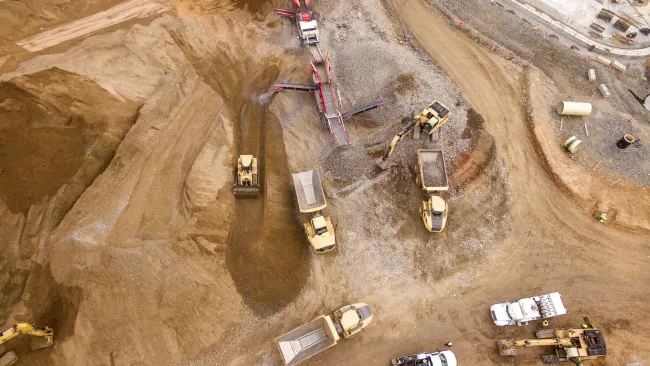

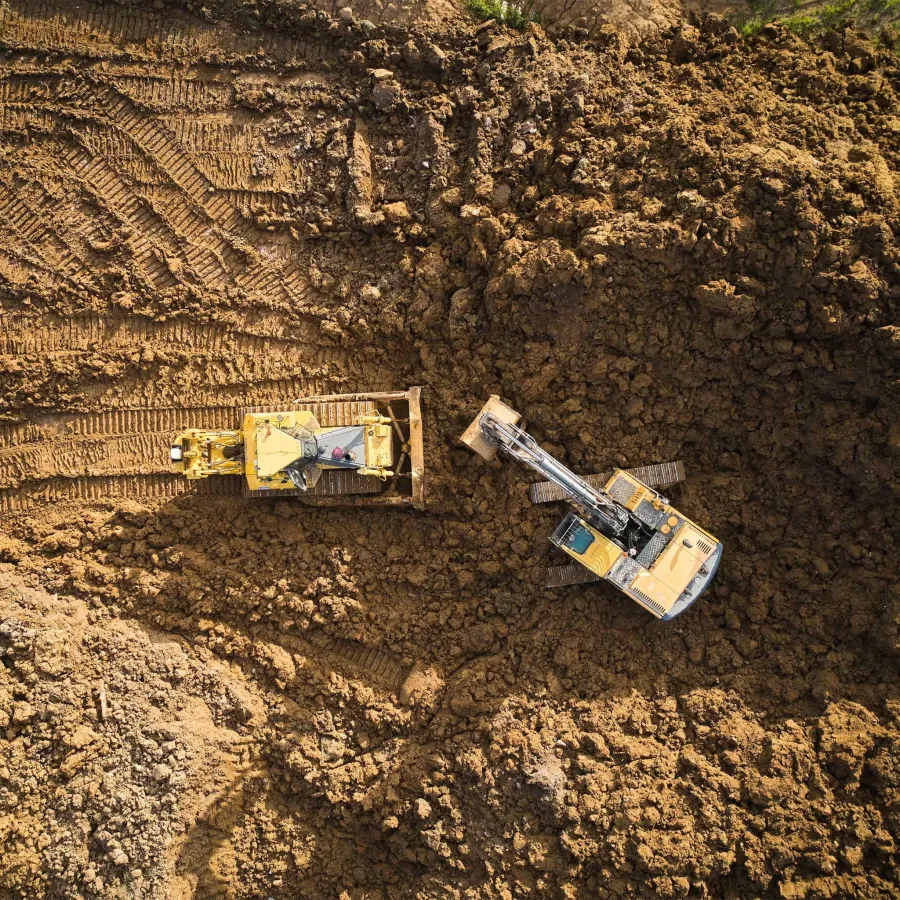
Aerial view of construction site with trucks, excavators, conveyor belt, and dirt piles during earthmoving work

1. Site Investigation

Comprehensive field and laboratory testing to gather accurate data. Our drilling crews and field engineers understand Tampa's distinctive geology, including the Quaternary sand cover, the Hawthorn Group clay confining unit, and the karstified Ocala Limestone that underlies the region.
Hands holding and examining small brown chunks of soil or rock with jars in the background in a lab

2. Soil Mechanics

Understanding the behavior of soils under various loads and environmental conditions. Tampa's sandy surface soils and the clay-rich Hawthorn Group require specialized knowledge of their strength characteristics, permeability, and susceptibility to erosion into underlying karst voids.
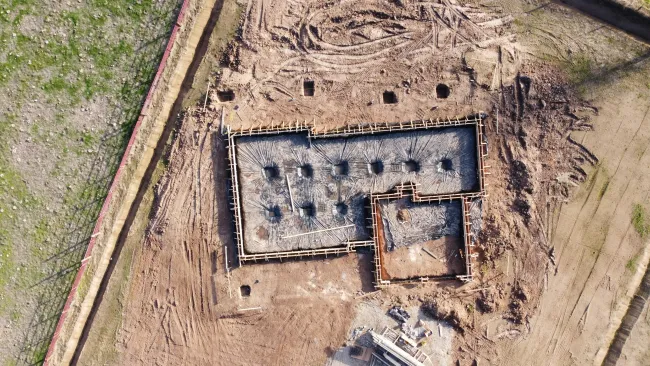
Aerial view of a building foundation construction site with wooden framework and concrete footings on cleared soil.

3. Foundation Design Recommendations

Developing stable and efficient foundation systems tailored to the specific site conditions. We evaluate shallow foundations, mat foundations, and deep foundation alternatives including CFA piles to deliver appropriate solutions for Tampa's covered karst geology and coastal waterfront conditions.
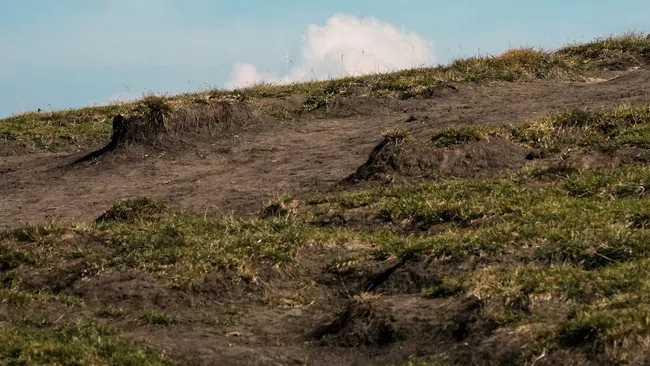
Grassy hill with patches of exposed soil under a bright blue sky with scattered clouds.

4. Slope Stability Analysis

Evaluating and mitigating the risk of slope failures. While Tampa's terrain is relatively flat, excavation sidewalls, retention pond slopes, and waterfront construction require careful stability assessment, particularly given the potential for groundwater seepage and erosion.
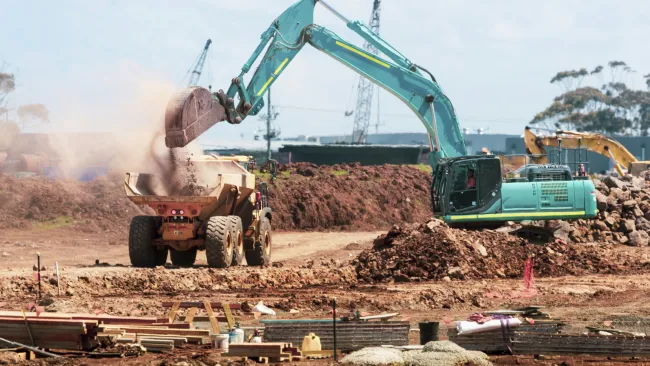
Green excavator loading dirt into a dump truck at a construction site with cranes in the background

5. Earthwork Design

Ensuring proper compaction and stability of earth structures. We provide recommendations for site preparation, fill placement, dewatering requirements, and the proper handling of Tampa's sandy soils and clay materials.

Our Complete Suite of Services

NOVA's Tampa, Florida geotechnical engineering firm will leave no stone unturned when it comes to investigating the ground you wish to build upon, providing you with the following services to meet your project's unique needs:

  • Preliminary and final subsurface explorations
  • Foundation, earthwork, and settlement analysis
  • Geological hazard assessments
  • Site characterization studies
  • Groundwater evaluation and dewatering recommendations
  • Seismic assessments
  • Pavement design
  • Shallow, intermediate, and deep foundation system evaluation
  • Retaining wall, shoring/bracing analyses
  • Slope stability and embankment analysis
  • Floor slab recommendations

Accredited Laboratory Analysis

Our accredited labs provide critical analysis of the soil, rock, and groundwater conditions that affect the construction of major projects. The NOVA Engineering laboratories used by our Tampa, Florida geotechnical engineering team meet ASTM C-1077, E-329 and D-3666 standards. In addition, we participate in AASHTO’s Materials Reference Laboratory Sample Reference Proficiency Program.

Why Tampa Builders Choose NOVA

NOVA Engineering strives to exceed expectations. Let us become your trusted partner for all your geotechnical needs.

Construction worker wearing orange safety vest using tablet on site with heavy machinery in background at sunset

Geotechnical Engineering Challenges and Solutions

Tampa's distinctive geological conditions present specific geotechnical challenges. The covered karst terrain, with limestone bedrock overlain by clay and sand, creates one of Florida's highest sinkhole-risk environments. We've addressed these challenges across projects throughout the Tampa Bay region.

  • Evaluating sinkhole potential with thorough subsurface investigations that characterize the thickness and integrity of the Hawthorn Group confining layer, identify potential karst features in the underlying Ocala Limestone, and assess site-specific risk factors.
  • Addressing groundwater influences with comprehensive hydrogeological assessment that accounts for fluctuations in the Floridan Aquifer, the relationship between groundwater levels and sinkhole formation, and appropriate dewatering strategies for construction.
  • Designing for waterfront conditions with foundation systems that account for Tampa Bay's coastal environment, including tidal influences, potential for scour, and the long-term durability requirements of structures built along the shoreline.

Geotechnical Engineering Grounded in Knowledge of Tampa, FL
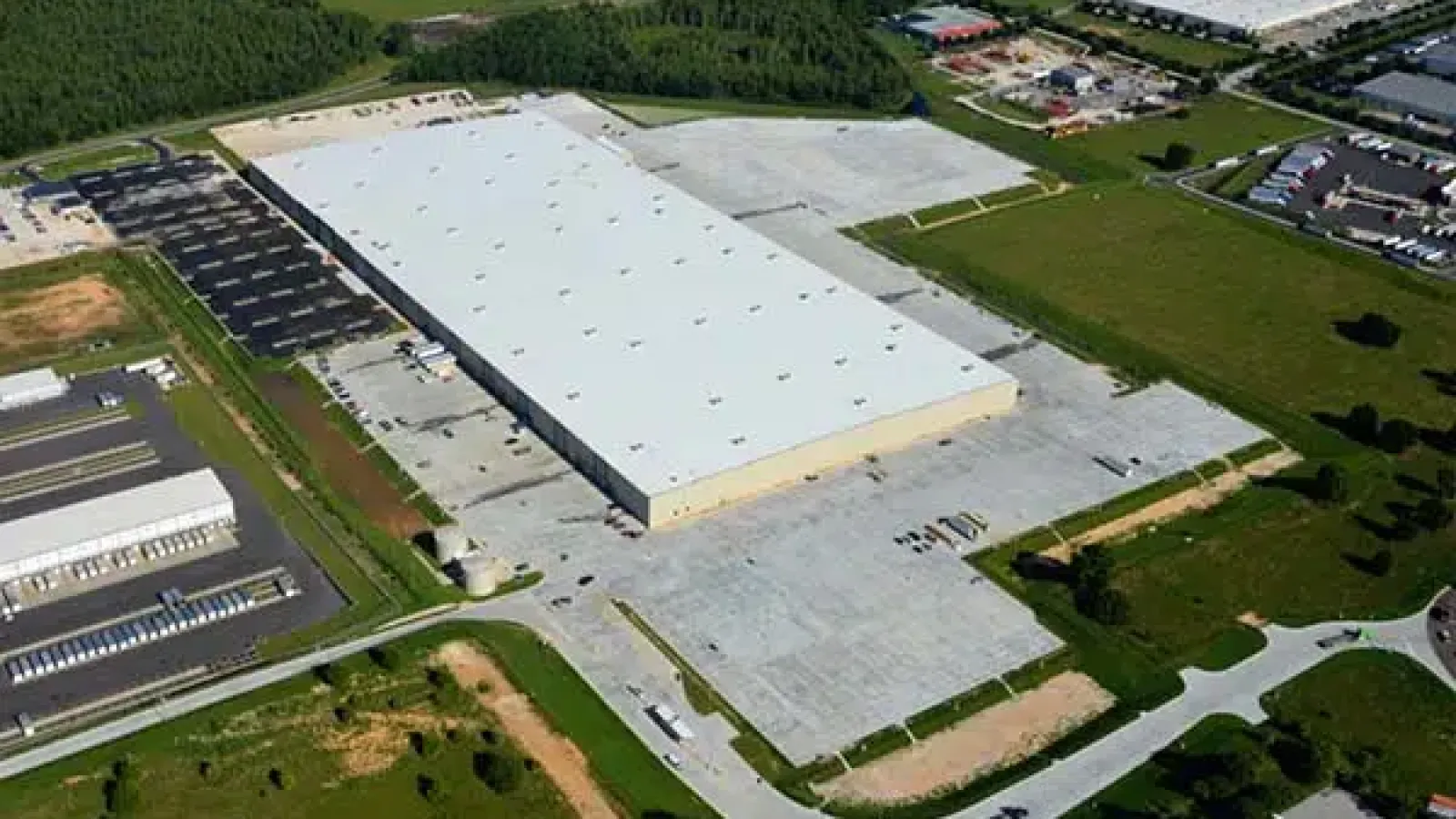
Aerial view of a large industrial warehouse surrounded by parking lots and green fields under a clear sky.

Walmart Sortable Distribution Center

Client: Commerce Construction The project site is approximately 99 acres. The project consisted of a single-story office/ warehouse type building…

The CURRENT Hotel, Autograph Collection

This project consisted of a 10 story, 131,000 square foot full service hotel along the waterfront at Rocky Point. The building is supported by Continuous Flight Auger piles and cast in place concrete. NOVA served as the Geotechnical Engineer of Record on the project.

Let’s Build on Solid Ground

Don't let geological uncertainties derail your projects. At NOVA, we deliver expert geotechnical engineering solutions tailored to Tampa's unique karst terrain and elevated sinkhole risk environment. Whether you're planning a residential construction or a complex infrastructure project, our team is here to help you address the challenges of soil and rock conditions with confidence.

Frequently Asked Questions

What is geotechnical engineering?
Geotechnical engineering is a civil engineering discipline focused on the behavior of soil, rock, and groundwater and how these materials affect construction projects. Geotechnical engineers investigate subsurface conditions, analyze soil properties, and provide recommendations for foundations, earthwork, retaining structures, and slope stability. Their work helps ensure buildings, bridges, and infrastructure are supported safely and cost-effectively.
What does a geotechnical investigation include?
A typical geotechnical investigation includes drilling soil borings, collecting soil and rock samples, performing in-situ tests such as Standard Penetration Tests, evaluating groundwater conditions, and conducting laboratory analysis. The investigation concludes with an engineering report providing site characterization, foundation recommendations, earthwork guidance, and construction considerations tailored to your project.
How do you determine the appropriate foundation type for my project?

Our process begins with a thorough site investigation, including soil borings and comprehensive laboratory testing to analyze the subsurface conditions. By evaluating the soil's bearing capacity, settlement characteristics, and groundwater influences, we tailor our recommendations to your project's specific needs. This ensures the selection of a foundation type that guarantees long-term stability and performance, mitigating potential risks and optimizing structural integrity.


What measures do you take to prevent landslides and slope failures?
We conduct detailed slope stability analyses, considering factors like soil strength, slope geometry, and prevailing groundwater conditions, to accurately assess potential risks. Based on these analyses, we recommend and implement appropriate stabilization measures, which may include retaining walls, soil nailing, or precise slope regrading. These interventions enhance the inherent stability of the slope, protecting your project and surrounding areas from potential failures.
How do you ensure the accuracy of your geotechnical data?
We use state-of-the-art equipment and adhere to rigorous testing protocols to guarantee the precision and reliability of our geotechnical data. Our engineers thoroughly analyze the results, providing actionable insights that form the foundation of our recommendations. We know that accurate data is paramount for informed decision-making, and we strive for excellence and integrity in every aspect of our data collection and analysis processes.