Your commercial roof represents one of the most significant investments in your building's infrastructure. It protects everything beneath it, your inventory, equipment, tenants, and operations, from the elements. Yet many building owners don't give their roof much thought until water starts dripping through the ceiling or storm damage becomes impossible to ignore.
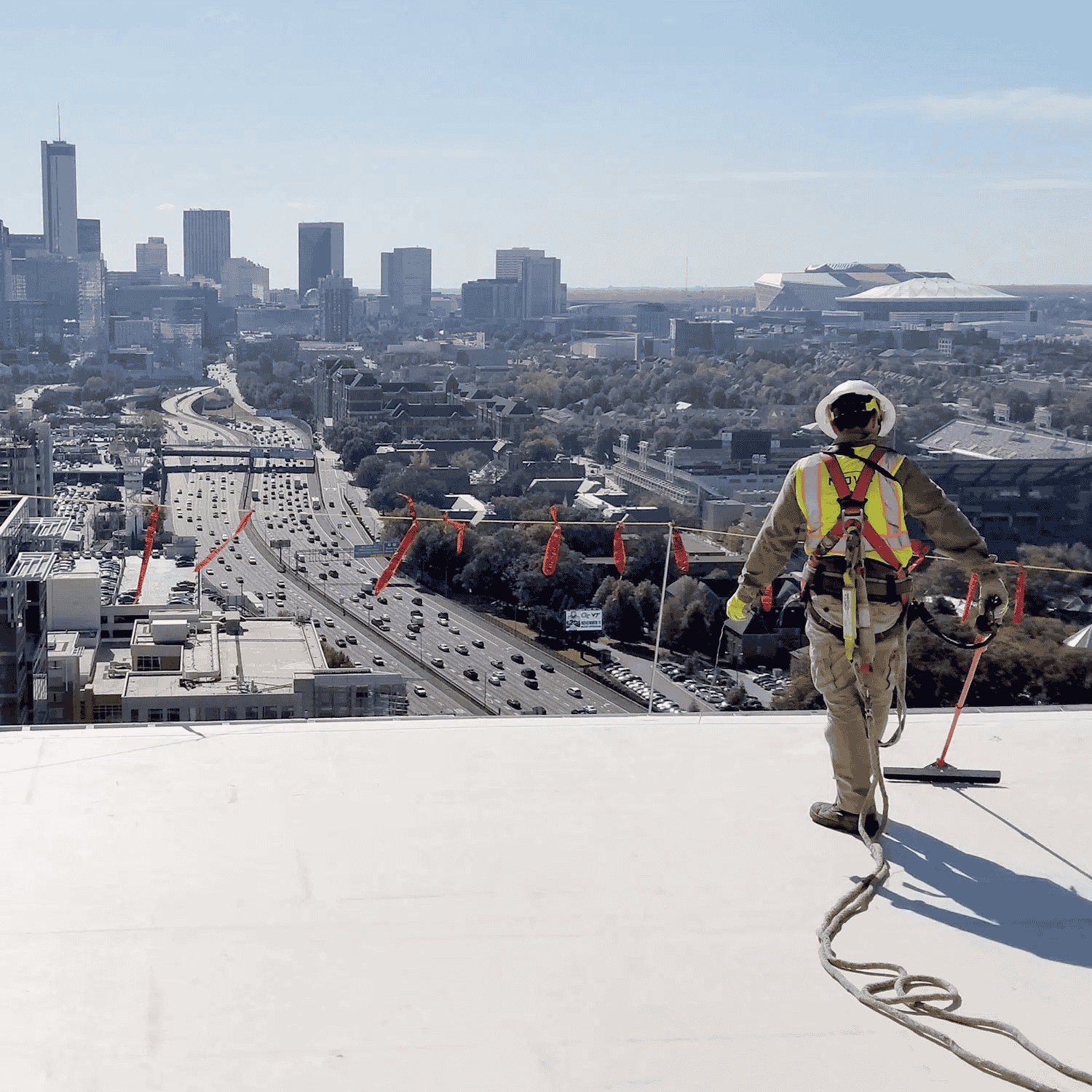
A proactive approach to commercial roof inspection can mean the difference between minor maintenance and catastrophic failure. At NOVA Engineering and Environmental, our roof consulting team has inspected thousands of commercial roofs across the Southeast, helping building owners understand their roofs' condition and make informed decisions about maintenance, repair, and replacement.
In this guide, we'll walk you through everything you need to know about commercial roof inspections, what they involve, when you need them, and how they protect your investment.
What Is a Commercial Roof Inspection?
A commercial roof inspection is a systematic evaluation of your building's roofing system conducted by qualified professionals. Unlike a quick visual scan from the ground, a comprehensive inspection involves physically accessing the roof, examining all components, documenting conditions, and providing actionable recommendations.
Commercial roofs differ significantly from residential roofs in their complexity, materials, and scale. Most commercial buildings feature flat or low-slope roofing systems with membrane materials like TPO, EPDM, PVC, or built-up roofing. These systems include multiple components that require specialized knowledge to evaluate properly—from the membrane itself to flashings, penetrations, drainage systems, and the underlying substrate.
A thorough commercial roof inspection examines the entire roofing assembly, identifying current damage, potential problem areas, and maintenance needs before small issues become expensive emergencies.
Why Commercial Roof Inspections Matter
The stakes in commercial roofing are considerably higher than in residential roofing. A failing commercial roof can disrupt business operations, damage valuable equipment and inventory, create liability issues, and lead to repair costs that dwarf what proactive maintenance would have required.
Consider the numbers: the average commercial roof replacement costs between $5 and $12 per square foot, meaning a 20,000-square-foot roof could run $100,000 to $240,000 or more. Meanwhile, most roof failures stem from problems that could have been identified and addressed through regular inspections at a fraction of that cost.
Regular inspections through a qualified roof consulting service provide several key benefits. They extend your roof's service life by catching problems early. They protect your warranty by ensuring maintenance requirements are met. They provide documentation for insurance purposes. And they provide the information you need to budget appropriately for future repairs or replacements.
Types of Commercial Roof Inspections
Not all roof inspections serve the same purpose. Understanding the different types helps you determine what your building needs and when.
Routine Maintenance Inspections
These scheduled inspections form the foundation of any roof management program. Conducted once or twice per year, routine inspections identify developing issues before they become serious problems. Spring inspections assess winter damage and prepare for the rainy season, while fall inspections ensure the roof is ready for winter weather.
Storm Damage Inspections
After significant weather events, hurricanes, hailstorms, high winds, or heavy rain, a storm damage roof inspection documents conditions for insurance claims and identifies repairs needed to prevent further damage. Timing matters here; prompt inspection after a storm protects both your building and your claim.
Pre-Purchase Inspections
When acquiring commercial property, a thorough roof inspection provides critical information about the asset's condition and remaining service life. This inspection often influences purchase negotiations and helps buyers understand future capital requirements.
Warranty Inspections
Many roofing warranties require periodic inspections to remain valid. These inspections verify that the roof is being properly maintained and document compliance with warranty terms.
Forensic Inspections
When leaks or failures occur, forensic inspections determine the root cause. This detailed analysis often involves moisture surveys, core samples, or other investigative techniques to pinpoint exactly where and why the roof is failing.
What Does a Commercial Roof Inspection Include?
A comprehensive commercial roof inspection examines every component of your roofing system. Here's what qualified inspectors evaluate:
Roof Membrane Condition
The membrane is your roof's primary weather barrier. Inspectors look for signs of deterioration, including cracks, blisters, punctures, seam separations, and surface wear. Different membrane types, TPO, EPDM, PVC, modified bitumen, or built-up roofing, have different failure modes and require specific expertise to evaluate properly.
Flashings and Penetrations
Flashings seal the vulnerable areas where the roof membrane meets walls, curbs, pipes, HVAC units, and other penetrations. These transition points are where most leaks originate. Inspectors examine flashing attachment, sealant condition, and any signs of separation or deterioration.
Drainage Systems
Proper drainage is critical to the performance of flat roofs. Standing water accelerates membrane degradation and adds structural load. Inspectors check drains, scuppers, and gutters for blockages, proper slope, and adequate capacity. Ponding water that persists for more than 48 hours after rain indicates drainage problems that require attention.
Roof-Mounted Equipment
HVAC units, exhaust fans, satellite dishes, and other rooftop equipment can damage the membrane and create leak pathways if not properly supported and sealed. Inspectors evaluate equipment supports, vibration isolation, and the condition of penetration seals.
Interior Evidence
A complete inspection includes examining the building interior for evidence of leaks or moisture intrusion. Water stains on ceilings, damaged insulation, or musty odors can reveal problems not visible from the roof surface.
When you work with NOVA's roof consulting professionals, you receive a detailed report documenting all findings with photographs, condition ratings, and prioritized recommendations for any needed repairs.
Commercial Roof Inspection Checklist
While professional inspections provide the most thorough evaluation, building owners and facility managers should understand what a proper inspection covers. Key areas include:
- Membrane Surface: Overall condition, punctures, tears, blisters, ridging, surface erosion, and exposed reinforcement.
- Seams and Laps: Adhesion, fish-mouths, wrinkles, and edge lifting.
- Flashings: Base flashings, counter flashings, edge metal, and coping condition.
- Penetrations: Pipe boots, equipment curbs, skylight frames, and sealant condition.
- Drainage: Drain condition, strainer presence, scupper function, and evidence of ponding.
- Roof Edge: Fascia condition, gravel stop integrity, and parapet wall condition.
- Field of Roof: Insulation condition (wet or displaced), substrate integrity, and structural concerns.
- Safety Equipment: Anchor points, walkway pads, and fall protection systems.
Flat Roof Inspection: Special Considerations
Most commercial buildings feature flat or low-slope roofs, which present unique inspection challenges compared to steep-slope residential roofs. Flat roof inspection requires understanding the specific failure modes common to these systems.
Ponding water is perhaps the most common issue with flat roofs. While some ponding is normal, water that remains more than 48 hours after precipitation indicates inadequate drainage that will eventually compromise the membrane. Inspectors identify low spots, blocked drains, and areas where tapered insulation may be needed to improve drainage.
Membrane shrinkage affects certain roofing materials, particularly EPDM. As the membrane shrinks over time, it pulls away from flashings and edges, creating gaps where water can enter. Inspectors look for signs of shrinkage, including tight membranes, pulling at flashings, and exposed substrate at edges.
Damage from foot traffic is common on commercial roofs that house mechanical equipment requiring regular service. Without proper walkway protection, repeated foot traffic wears through the membrane. Inspectors note traffic patterns and recommend walkway systems where needed.
When to Schedule a Commercial Roof Inspection
Timing your inspections appropriately maximizes their value. Here's when you should have your commercial roof inspected:
- Twice Annually: Spring and fall inspections should be standard practice for any commercial building. Spring inspections catch winter damage and prepare for storm season. Fall inspections ensure the roof is ready for winter conditions.
- After Severe Weather: Any significant storm event, hurricanes, hail, high winds, or heavy rain warrants inspection. Document conditions promptly for insurance purposes and identify needed repairs before secondary damage occurs.
- Before Warranty Expiration: If your roof warranty is approaching expiration, an inspection can identify any covered issues that should be addressed while warranty protection still applies.
- Before Property Transactions: Both buyers and sellers benefit from current roof condition assessments during property sales or refinancing.
- When Problems Appear: Interior water stains, increased energy bills, or visible roof damage all warrant prompt professional inspection.
Building owners throughout Georgia, North Carolina, South Carolina, and Florida rely on NOVA's roof inspection services to maintain their roofing investments and avoid costly surprises.
Storm Damage Roof Inspection: Protecting Your Claim
Severe weather is a fact of life in the Southeast. Hurricanes, tropical storms, severe thunderstorms, and hail events can damage even well-maintained roofs. How you respond after a storm significantly impacts both your building's protection and your insurance recovery.
A professional storm damage roof inspection serves multiple purposes. It documents pre-existing conditions versus storm damage, a critical distinction for insurance claims. It identifies all damage, including issues not visible from the ground. It provides the professional documentation insurers require to process claims. And it prioritizes repairs to prevent secondary damage from compromised weatherproofing.
Timing is critical with storm damage inspections. Insurance policies typically require prompt reporting of damage, and delays can complicate claims. Additionally, undamaged roofing that isn't addressed promptly can allow water intrusion, causing far more expensive interior damage.
When storms threaten or strike your area, NOVA's roof consulting team can mobilize quickly to inspect your property, document conditions, and provide the professional reports needed to support your insurance claim.
What to Expect from a Professional Roof Inspection
When you engage NOVA for a commercial roof inspection, here's what the process typically involves:
- Initial Consultation: We discuss your building, any known concerns, the inspection purpose, and the timeline requirements. This conversation helps us tailor the inspection to your specific needs.
- Document Review: When available, we review existing roof documentation, including as-built drawings, previous inspection reports, warranty information, and repair history.
- Field Inspection: Our inspectors physically access the roof and systematically examine the entire roof surface, documenting conditions with detailed notes and photographs. We evaluate all components from the membrane to the flashings to the drainage systems.
- Interior Review: When accessible, we examine the building interior for evidence of leaks, moisture damage, or other issues related to roof performance.
- Report Preparation: All findings are compiled into a comprehensive report that documents current conditions, identifies problems, and provides prioritized recommendations. The report includes photographs and, where helpful, diagrams indicating problem locations.
- Consultation: We review findings with you, explain concerns, answer questions, and discuss options for addressing any identified issues.
Choosing a Commercial Roof Inspection Provider
Not all roof inspections deliver equal value. When selecting an inspection provider, consider these factors:
- Independence: Inspectors who also sell roofing services may have incentives to recommend unnecessary work. Independent consultants provide objective assessments focused solely on your interests.
- Qualifications: Look for inspectors with relevant certifications, professional engineering licenses, and demonstrated experience with commercial roofing systems.
- Comprehensive Approach: Quality inspections examine all roof components systematically, not just obvious problem areas. Ask about the inspection methodology and what the report will include.
- Clear Documentation: The inspection report should provide actionable information, clear descriptions of conditions, photographs documenting findings, and prioritized recommendations you can act on.
- Local Knowledge: Roofing challenges vary by region. Inspectors familiar with local climate conditions, building codes, and common construction practices provide more relevant assessments.
NOVA's roof consulting services combine independent, objective assessment with deep expertise in Southeast construction and climate conditions. Our team includes registered roof consultants and professional engineers who bring technical rigor to every inspection.
Frequently Asked Questions
How often should a commercial roof be inspected?
Most commercial roofs should be professionally inspected at least twice per year—typically in spring and fall. Additional inspections are warranted after severe weather events, before property transactions, or when problems are suspected. High-value or critical facilities may benefit from more frequent inspections.
What does a commercial roof inspection cost?
Inspection costs vary based on roof size, complexity, accessibility, and inspection scope. Contact our team for a proposal tailored to your specific building and needs.
How long does a commercial roof inspection take?
Inspection duration depends on roof size and complexity. A typical commercial roof inspection takes several hours to a full day for the field work, with the written report following within a few business days.
Can I inspect my own commercial roof?
While building maintenance staff can perform basic visual checks between professional inspections, comprehensive inspections require specialized knowledge to identify developing problems and properly evaluate all system components. Professional inspections also provide documentation valuable for warranty compliance and insurance purposes.
What happens if problems are found?
The inspection report will document issues and provide recommendations. Depending on findings, this might include minor repairs, maintenance items, or more significant work. NOVA can help you understand options, prioritize repairs, and—if needed—develop specifications for repair work and evaluate contractor proposals.
Protect Your Investment with Professional Roof Consulting
Your commercial roof works hard every day, protecting your building and everything in it from sun, rain, wind, and storms. Regular professional inspections ensure your roof continues performing that critical function while maximizing its service life and minimizing unexpected costs.
Since 1996, NOVA Engineering and Environmental has provided roof consulting services to commercial building owners throughout the Southeast. Our team brings the expertise, independence, and thorough approach that complex commercial roofs demand. Whether you need routine maintenance inspections, storm damage assessment, or pre-purchase evaluation, we deliver the information you need to make confident decisions about your roofing investment.
Is Your Roof Ready for What's Next?
Don't wait for leaks to reveal what a professional inspection would have caught. NOVA's experienced roof consultants provide the thorough, independent assessments your building deserves.
Professional | Practical | Proven