
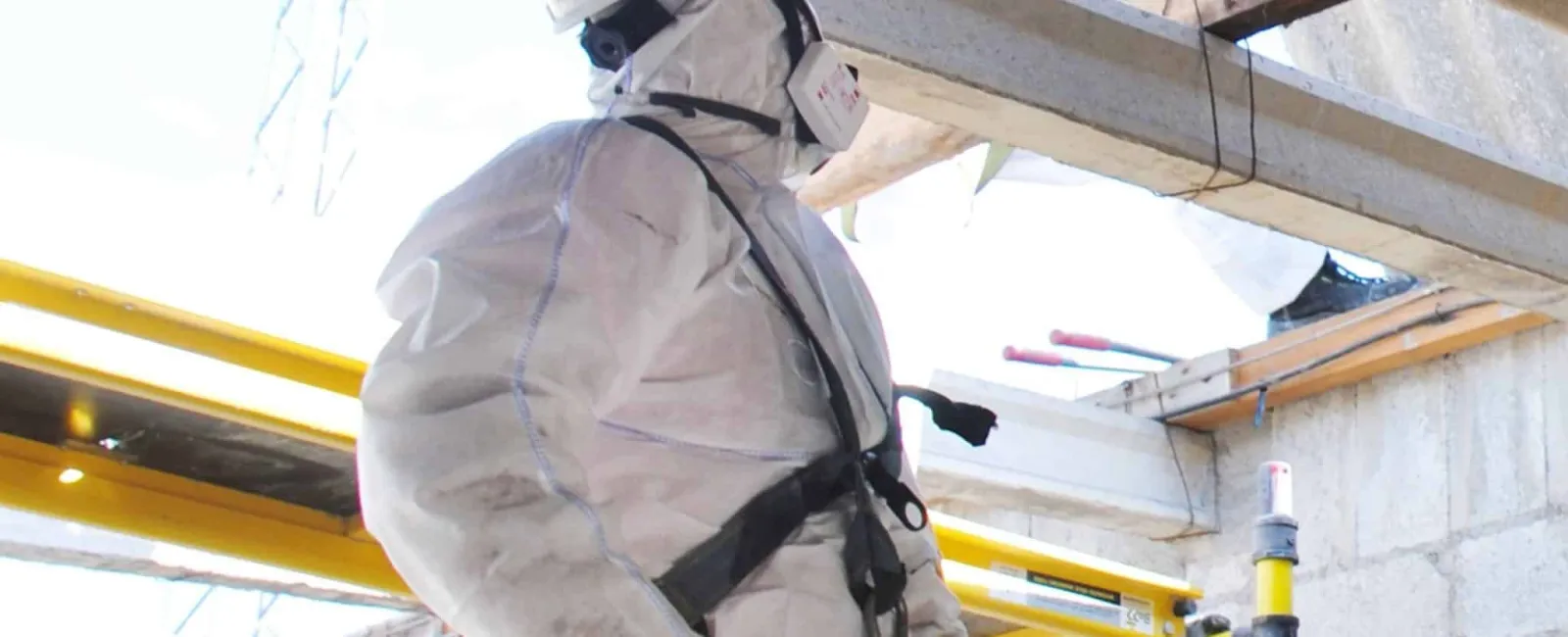
Forensic engineering sits at the intersection of technical investigation and legal accountability. Practitioners apply the principles of engineering science to examine failures, accidents, and disputes, producing findings that hold up under the scrutiny of courts, insurance adjusters, and regulatory bodies.
This post explains what forensic engineers do, the types of investigations they conduct, the industries that rely on them, and when hiring one makes sense for your project or claim.
Forensic Engineering Definition
Forensic engineering is the
application of engineering principles and scientific methodology to investigate
failures, accidents, or alleged defects in materials, structures, and systems.
The word 'forensic' derives from the Latin forensis, meaning 'of the forum', historically a place where legal disputes were settled.
Unlike design engineers who
build things forward, forensic engineers work backward. They start with an
outcome, a collapsed roof, a failed foundation, a fire-damaged building, and
reconstruct the sequence of events that led there.
The primary outputs of a
forensic engineering investigation are:
- A determination of the root cause of failure
- Documentation of contributing factors
- An expert opinion that can be presented in legal or regulatory proceedings
- Recommendations to prevent recurrence
What Does a Forensic Engineer Do?
Forensic engineers are called
upon when the cause of a failure is unclear, disputed, or has legal
implications. Their work spans several phases:
1. Site Investigation
The foundation of any forensic
investigation is direct observation. Engineers visit the site to document
conditions, collect physical evidence, photograph damage patterns, and preserve
materials for laboratory testing. In time-sensitive cases, such as following a fire or storm, early access to the site is critical before evidence
degrades or cleanup begins.
2. Records and Document Review
Forensic engineers review
construction drawings, permits, maintenance logs, material specifications,
inspection reports, and project correspondence. For older structures, they may
research the original design standards and building codes in effect at
the time of construction.
3. Laboratory Analysis
Physical samples, concrete cores, soil specimens, roofing membrane sections, and corroded fasteners are sent to accredited laboratories for material testing. Results help confirm or rule
out theories about failure mode and origin.
4. Engineering Analysis and Modeling
Using collected data, forensic
engineers apply structural calculations, finite element analysis, and materials
science to test hypotheses. They evaluate whether a structure was designed and
built to applicable standards, and whether normal use, deferred maintenance, or
an extreme event was the proximate cause of failure.
5. Expert Report and Testimony
The culmination of a forensic investigation is a written report that documents the methodology, findings, and conclusions. When litigation is involved, the forensic engineering team may also provide deposition testimony or serve as expert witnesses at trial.
Types of Forensic Engineering Investigations
Forensic engineering spans
virtually every branch of engineering. The most common practice areas include:
Structural Forensic Engineering
Structural investigations
address failures in buildings, bridges, retaining walls, and other load-bearing
systems. Engineers evaluate whether failures resulted from design deficiencies,
construction errors, material defects, code violations, inadequate maintenance,
or environmental events like floods and earthquakes.
Geotechnical Forensic Engineering
Geotechnical investigations
examine soil and subsurface conditions in cases involving foundation
settlement, slope instability, sinkholes, and earthwork failures. In regions
like the Southeast U.S., where expansive clay soils, karst geology, and
seasonal moisture variation create complex subsurface conditions, geotechnical
forensic work is particularly common.
Roof and Building Enclosure Investigations
Roof failures and building enclosure failures, water infiltration, membrane delamination, improper flashing, and inadequate drainage are among the most frequently litigated construction defects. NOVA's forensic engineering services include building
enclosure assessments that determine whether failures stem from design errors,
installation defects, or material performance issues.
Fire and Explosion Investigations
Forensic engineers working in
fire origin and cause investigations collaborate with fire investigators to
determine the point of ignition, identify contributing materials, and evaluate
whether construction systems performed as required by fire codes. Electrical
forensic engineering is a subspecialty that focuses on equipment and wiring
failures.
Construction Defect Investigations
When newly constructed buildings
experience problems, such as cracking concrete, failing waterproofing, or improperly
installed structural connections, forensic engineers determine whether the
issues constitute defective work, design errors, or foreseeable maintenance
needs. These investigations frequently support or defend insurance claims and
contractor disputes.
Accident Reconstruction and Failure Analysis
Forensic engineers also investigate accidents involving industrial equipment, vehicles, machinery, and consumer products. The goal is to establish whether a failure was caused by a design defect, manufacturing error, foreseeable misuse, or operator error.
Who Hires Forensic Engineers?
Forensic engineering services
support a wide range of clients across commercial real estate, insurance,
legal, and government sectors:
- Insurance carriers and adjusters — to evaluate property damage claims and determine coverage applicability
- Attorneys and law firms — to provide expert opinions in construction defect, personal injury, and property damage litigation
- Property owners and developers — to investigate unexpected failures and support recovery claims
- General contractors and subcontractors — to defend against claims or quantify punch-list deficiencies
- Government agencies — to investigate failures in public infrastructure and ensure code compliance
- Lenders and risk managers — to assess liability exposure on distressed or disputed properties
Forensic Engineering vs. Traditional Engineering
The distinction matters for
clients seeking the right professional for a specific problem.
|
|
Design Engineering |
Forensic Engineering |
|
Primary
goal |
Create
a functional system |
Determine the cause of failure |
|
Starting
point |
Client
requirements |
An
existing failure or dispute |
|
Output |
Design
documents, permits |
Investigation
report, testimony |
|
Timeline
orientation |
Forward-looking |
Backward-looking |
|
Legal
role |
Rarely
involved in litigation |
Frequently retained as an expert |
When Should You Hire a Forensic Engineer?
Not every building problem
requires a forensic investigation, but some situations clearly warrant one:
- A structure or component has failed unexpectedly, and the cause is unclear
- Insurance claim documentation requires an independent expert opinion on cause and origin
- Litigation is pending or anticipated related to a construction defect, property damage, or accident
- A contractor or manufacturer is disputing responsibility for a failure
- You are acquiring a property with documented damage and need an independent technical assessment
- A regulatory body requires an investigation report before approving repairs or occupancy
The earlier a forensic engineer is engaged, the better. Evidence degrades. Contractors make repairs. Damaged materials get discarded. When a failure has occurred, preserving the scene and retaining qualified investigators promptly protects your options in any future dispute.
NOVA's Forensic Engineering Services
Since 1996, NOVA Engineering
& Environmental has provided forensic engineering investigations to clients
across Georgia, Florida, North Carolina, and South Carolina. Our team of
licensed professional engineers brings disciplinary depth across structural
systems, geotechnical conditions, building enclosures, roofing, and
construction materials testing.
NOVA's forensic work supports
insurance carriers, property owners, legal counsel, and commercial developers
in understanding and documenting the cause and extent of failures. Our
investigations are conducted with the rigorous documentation standards required
for expert witness testimony and regulatory submissions.
We operate accredited
laboratories in multiple Southeast locations, enabling in-house materials
testing that supports faster turnaround and an unbroken chain of custody for
evidence.
If you have a failure that needs independent technical evaluation, contact NOVA's forensic engineering team to discuss your project.
Need a Forensic Engineering Expert?NOVA's licensed engineers
provide independent failure investigations and expert reports across the
Southeast, from Atlanta to Miami, Charlotte to Jacksonville. Contact NOVA: usanova.com/what-we-do/forensic-engineering |