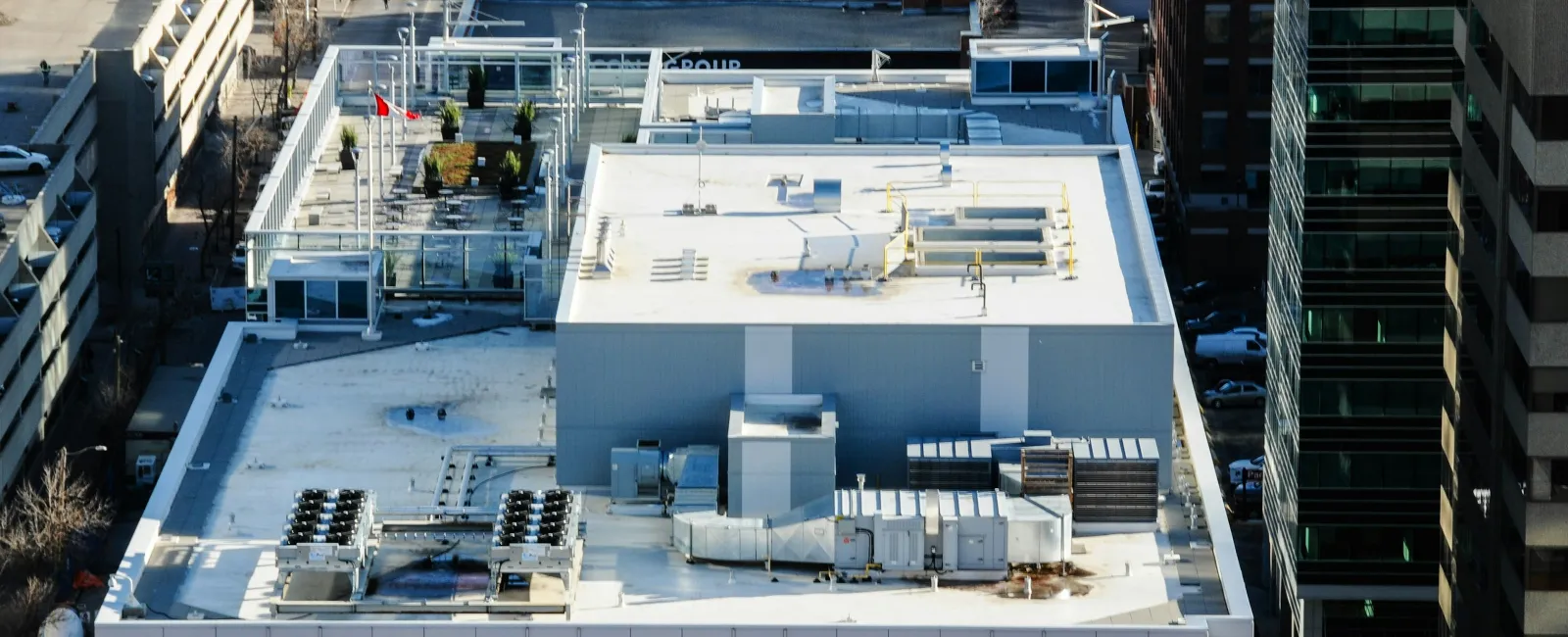
A commercial roof takes more abuse
than almost any other part of a building. It sits flat or low-sloped under
standing water, carries mechanical equipment, expands and contracts through
every temperature swing, and absorbs the full force of wind and hail. By the
time a stain appears on an interior ceiling, water has usually been moving
through the roofing system for weeks or months, and the repair is far larger
than it would have been if the problem had been caught early. A commercial roof
inspection exists to find those problems while they are still small, isolated,
and inexpensive to fix.
Regular inspection also protects
the paperwork that keeps a roof financially sound. Manufacturer material
warranties and contractor workmanship warranties both carry maintenance
conditions, and a documented inspection history is often what preserves a claim
when a defect surfaces years down the road.
What an Inspection Evaluates
The core question in any
commercial roof inspection is whether water can get in and whether the systems
that keep it out are intact. Inspectors evaluate the membrane or roofing
surface, the flashings that seal edges and transitions, every penetration where
equipment passes through the roof, the drainage path, and the substrate
underneath. On buildings still under construction, the inspection also confirms
the installation matches the approved drawings and the manufacturer's
specifications, since a roof built outside those tolerances rarely qualifies
for its full warranty coverage.
Types of Commercial Roof
Inspections
Not every commercial roof
inspection serves the same purpose. The right type depends on where the roof is
in its life and whether a problem has already surfaced.
|
Inspection Type |
When It Happens |
Primary Focus |
|
Pre-installation |
Before roofing begins |
Substrate condition, deck
attachment, and readiness to receive the roof |
|
Quality assurance |
During installation |
Compliance with approved
drawings and manufacturer specifications |
|
Post-construction |
At project closeout |
Full verification of the
finished roof before warranties take effect |
|
Periodic maintenance |
Twice a year, ongoing |
Early detection of wear,
drainage issues, and minor damage |
|
Post-storm |
After hail, wind, or heavy rain |
Storm-related damage, displaced
materials, and new leaks |
|
Emergency / forensic |
After a leak is found |
Source of intrusion, path of the water, and extent of damage |
The last two categories often
cross into forensic territory. When the source of a leak is not obvious, or
when damage is tied to a construction defect or an insurance claim, a detailed forensic evaluation traces the water back to its
entry point and documents the underlying cause.
How a Commercial Roof Inspection
Works
A thorough inspection combines a
physical walkthrough with diagnostic tools that reveal what the eye cannot see.
The inspector walks the entire
roof surface, often more than once, checking that the membrane is fully
adhered, seams are welded or sealed, and fasteners are set correctly.
Penetrations receive the closest attention. Drains, vents, HVAC curbs,
skylights, and pipe boots are the most common points of failure, because each
one interrupts the continuous surface of the roof.
Infrared imaging is used to locate
moisture trapped below the surface. Wet insulation holds heat differently than
dry material, so a thermal scan taken as the roof heats up or cools down
reveals saturated areas that look normal from above. Where infrared or visual
signs suggest a problem, a small core sample can be cut to confirm how many
layers the roof has, what condition the insulation is in, and whether water has
penetrated the assembly.
Drainage gets verified directly.
Gutters, scuppers, and internal drains are checked for blockages, and the
surface is evaluated for low spots where water collects instead of draining. On
large or steep roofs, drone photography is increasingly used to document
conditions safely without putting inspectors in hazardous positions.
Common Problems an Inspection
Uncovers
A handful of issues show up again
and again on commercial roofs:
- Ponding water that sits for more than 48 hours, which points to blocked drains, a sagging deck, or incorrect slope
- Membrane shrinkage, splits, or blistering that expose the layers below to moisture
- Failed or lifting flashing at parapets, curbs, and transitions
- Punctures and tears from foot traffic, equipment, or storm debris
- Rust and corrosion on metal components, a sign of prolonged moisture exposure
- Open or deteriorated seams where sections of membrane meet
- Biological growth such as algae or vegetation that traps water and blocks drainage
Each finding is documented in a
roof inspection report with photographs and location notes, giving the owner a
clear record of the roof's condition and a defensible basis for prioritizing
repairs.
Commercial Versus Residential
Inspections
The goal is the same on any
building, to keep water out and catch problems early, but commercial roofs are
a different scale of work. They tend to be large, flat or low-sloped, and
loaded with rooftop equipment, which means more surface to cover, more penetrations
to check, and more specialized systems to evaluate. A metal roof inspection, a
single-ply membrane, and a built-up roof each call for different knowledge.
This is why commercial roof inspection services are usually handled by
professionals rather than the property owner. NOVA's building enclosure professionals evaluate roofing as part of the
larger system that keeps a building dry, including the walls, glazing, and
waterproofing that a roof ties into.
When to Schedule an Inspection
Most commercial roofs should be
inspected at least twice a year, in spring to assess winter wear and in fall to
prepare for harsher weather. Additional inspections are warranted after any
major storm, before purchasing or leasing a property, and whenever there is a
sign of interior moisture. Owners buying or refinancing a building often fold a
roof review into a broader pre-purchase building enclosure
inspection, since the
roof is one of the most expensive systems to replace and one of the easiest to
overlook.
Building a documented inspection schedule is one of the most effective ways to protect a roof and the structure beneath it. NOVA provides building enclosure consulting that covers roofing, waterproofing, and the quality assurance inspections that keep those systems performing across a building's full service life.
Protect Your Building From the Roof DownNOVA's building enclosure team
inspects, tests, and troubleshoots commercial roofing systems across Georgia,
Florida, North Carolina, and South Carolina. Talk with our consultants about
a roof inspection or a full enclosure assessment. Contact NOVA Engineering 770.425.0777 |